主頁 >  articles >  The University of Hong Kong–Queen Mary Hospital Assisted Reproductive Centre: 40 Years of Milestones and Transformation — Future Vision and Challenges.

The University of Hong Kong–Queen Mary Hospital Assisted Reproductive Centre: 40 Years of Milestones and Transformation — Future Vision and Challenges.

編輯部
編輯: 編輯部
日期: 2026-11-01

香港大學瑪麗醫院輔助生育中心40週年里程碑與變化:臨床智慧結合科技-現代化孕育生育希望

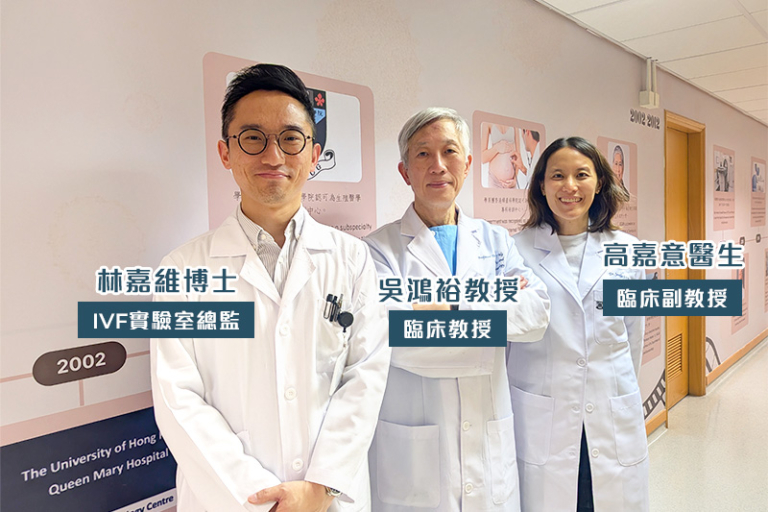
▲ Dr. Kevin Lam Ka Wai (Director of the IVF Laboratory), Professor Ernest Ng Hung Yu and Dr. Jennifer Ko Ka Yi (From Left to Right)

As a pioneer in the field of assisted reproductive medicine in Hong Kong, the Assisted Reproductive Centre at The University of Hong Kong–Queen Mary Hospital has spent four decades advancing the field while safeguarding the dreams of countless families seeking to welcome a child.

Standing at this new milestone of its 40th anniversary, how will the team embrace future visions and challenges, and continue to lead the next chapter of assisted reproductive medicine in Hong Kong?

The answers begin with the heartwarming stories of families and the dedication of the Centre’s behind-the-scenes heroes, who work tirelessly day and night to protect the hope of parenthood.
Real Patient Stories: Bringing Warmth and Support to the Journey of Assisted Reproduction

Professor Ernest Ng Hung Yu of the Assisted Reproductive Centre at The University of Hong Kong–Queen Mary Hospital recalled a patient who was a professional nutritionist herself. After experiencing several unsuccessful treatment cycles, her final remaining embryo, which was still at an early developmental stage and of average quality, ultimately resulted in a successful pregnancy.

Today, as someone who has gone through the journey herself, she continues to give back to the Centre by sharing her experiences with other patients, particularly her knowledge and insights on diet and nutrition.

Finding a nutritionist to talk about nutrition is certainly easy, but what makes her contribution truly valuable is her personal experience as a patient. She understands the challenges patients face, including their concerns, limitations, and difficulties throughout the treatment journey.

Because this nutritionist has personally walked the same path, her sharing is more practical, relatable, and meaningful than that of any professional expert, allowing her to connect with and resonate more deeply with other patients.

Dr. Jennifer Ko Ka Yi, a clinical associate professor at the Centre, candidly shared that every couple who walks through the Centre’s doors carries a level of resilience and courage that outsiders may find difficult to imagine.

“Every patient who comes to us is already incredibly brave. The very fact that they seek our help reflects how challenging the journey to parenthood has been for them. If the process had been straightforward, they would have already conceived naturally.”

香港大學瑪麗醫院輔助生育中心40週年里程碑與變化:願景與挑戰

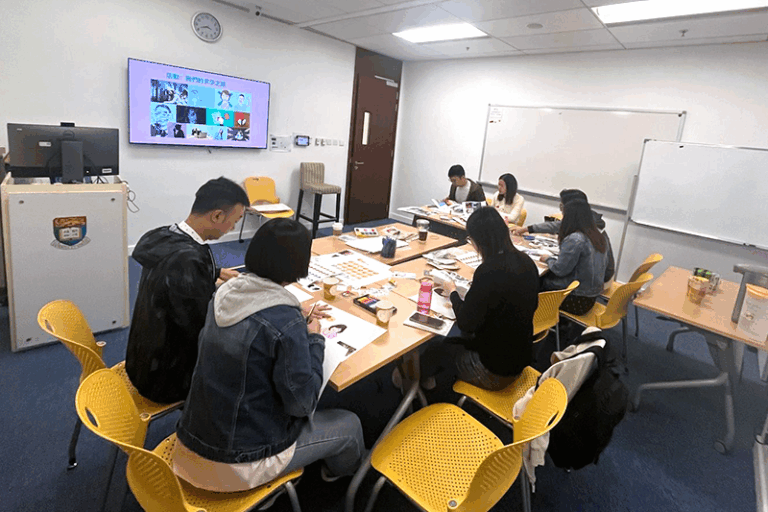
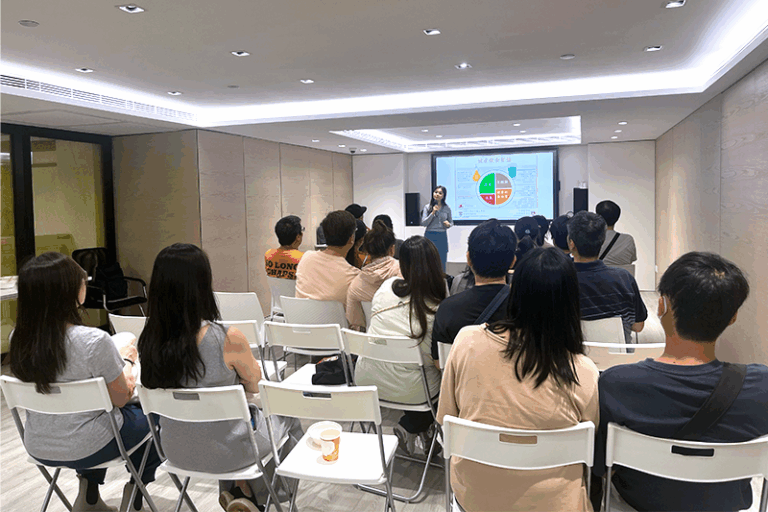
▲ The Centre offers nutrition education sessions for patients

Many patients seeking fertility treatment watch as friends around them become parents one after another, while they themselves face numerous challenges and may even experience heartbreaking events such as miscarriage.

“When patients come to us, they may carry a great deal of fear and uncertainty. Some may feel anxious about procedures such as ultrasound examinations or injections, yet they continue to persevere. Throughout the entire IVF journey, their emotions often fluctuate, and every medical assessment can feel like receiving a report card.”

She believes that the role of the healthcare team extends beyond providing medical expertise; it is also about being a source of support and companionship for patients. “What we can do is give our very best to every individual case and walk alongside patients throughout their assisted reproductive journey.”

The University of Hong Kong–Queen Mary Hospital Assisted Reproductive Centre: 40 Years of Milestones and Transformation — Future Vision and Challenges._圖_3

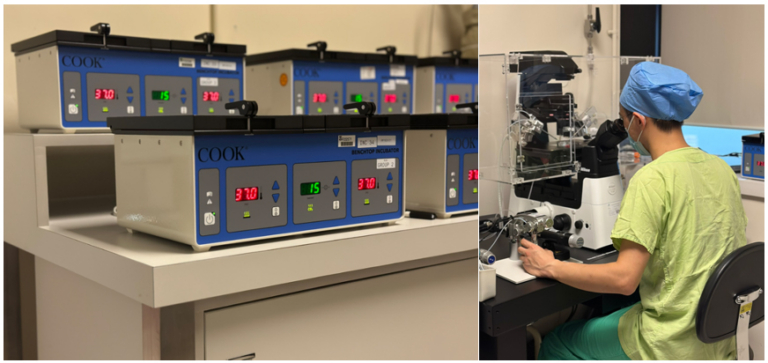
▲ An embryologist working in the laboratory

The Daily Dedication of Embryologists

The Centre is also supported by a group of unsung heroes working behind the scenes — embryologists. Every day, they arrive at the laboratory before dawn to monitor fertilization, assess embryo quality, and provide reports to doctors at the earliest opportunity, enabling timely communication with patients.

From egg retrieval, fertilization, and embryo culture to the final embryo transfer, every stage of the process relies on close collaboration and seamless teamwork among the entire team.

Dr. Kevin Lam Ka Wai, Director of the IVF Laboratory, shared:

“Our team is on duty every day. Even during black rainstorm warnings or extreme weather conditions, we still return to the hospital when needed. This is because egg retrieval procedures must be performed within a strict time frame; if the timing is missed, the treatment cannot proceed.

There have been occasions when the Observatory predicted that a No. 9 typhoon signal would be issued the following day. In such situations, we chose to stay overnight at the hospital to ensure that embryologists would be available the next day, so that patients’ treatments would not be affected.”

This strong sense of responsibility represents one of the Centre’s most valuable intangible assets.

香港大學瑪麗醫院輔助生育中心40週年里程碑與變化:願景與挑戰

▲ Supporting patients through workshops and counselling

Future Vision and Emerging Challenges

Against the backdrop of delayed marriage and childbearing, as well as persistently declining birth rates in Hong Kong, the Centre has observed significant changes in the profiles of patients seeking treatment in recent years.

Professor Ng shared:

“There has been a noticeable increase in demand for egg freezing. More than a decade ago, this service was not widely known or commonly sought after, but today, more people are aware of and actively inquiring about it. We have also seen a trend towards younger patients seeking assistance. In the past, many patients only came to us at the age of 38 or 39, whereas now more women aged 34 or 35 are proactively seeking support.”

He explained that the younger age profile of patients seeking treatment is partly related to the shortened waiting time. In the past, patients often had to wait one to two years from submitting a referral letter to officially commencing treatment, causing some to miss their optimal reproductive age.

In recent years, with increased government funding and support, waiting times have been significantly reduced, allowing patients to receive treatment at a more favourable age. In addition, younger generations have developed a different perspective on assisted reproduction and are more inclined to seek professional advice at an earlier stage.

Supporting Government Policies and Subsidy Programmes

In support of the government’s policies to encourage childbirth, the Centre has proactively implemented various initiatives. These include working with the government to optimize IVF services, such as providing medication cost subsidies. Previously, patients had to pay out-of-pocket for injection medications; however, since May last year, eligible patients have benefited from reduced medication costs, helping to alleviate the financial burden associated with pursuing parenthood.
香港大學瑪麗醫院輔助生育中心40週年里程碑與變化:臨床智慧結合科技-現代化孕育生育希望

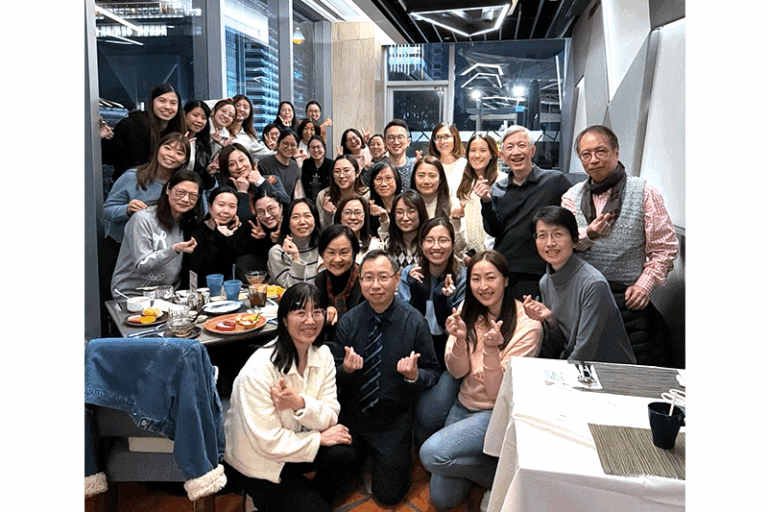
▲ Fertility care teams from Queen Mary Hospital, Kwong Wah Hospital, and Princess Margaret Hospital

At the same time, the Centre has expanded service capacity and streamlined outpatient consultation and appointment arrangements, allowing patients with greater clinical needs to be prioritized through an effective triage system.

The waiting time for publicly funded IVF services has now been significantly reduced. From the submission of a referral letter to the initial IVF clinic appointment, and subsequently to the commencement of treatment, the waiting periods for these two stages have been shortened to approximately two months and one month, respectively. This has greatly reduced the anxiety and waiting burden faced by families pursuing parenthood.

The Centre also publishes the latest waiting time updates on its social media platforms every month, enhancing transparency and ensuring that patients have access to timely information.

The Centre currently performs approximately 600 to 700 IVF cycles annually. Looking ahead, the Centre aims to shorten the time patients need to achieve success — not only focusing on improving pregnancy rates but also placing greater emphasis on reducing waiting times and the psychological burden experienced by patients.

At the same time, the team will focus on exploring how lifestyle modifications can improve IVF outcomes and further investigate the application of artificial intelligence in assisted reproductive technology.

To advance large-scale research initiatives, the Centre will strengthen collaborations with multiple centres in Mainland China, making effective use of available resources. Locally, it will further consolidate its healthcare network with Kwong Wah Hospital and Princess Margaret Hospital.

In the future, the Centre will continue to uphold a balanced approach in clinical care, education, and research, remaining committed to helping individuals and families on their journey toward parenthood and welcoming the miracle of new life.

Over the past four decades, the Centre has continued to move forward with dedication and perseverance, achieving numerous milestones in assisted reproductive medicine in Hong Kong. Through years of accumulated expertise and innovation, it has evolved into a leading force at the forefront of the field.

Want to revisit how the Centre has integrated decades of clinical expertise and technological advancements to shape the future of assisted reproductive medicine?

Previous article: The University of Hong Kong - Queen Mary Hospital Assisted Reproductive Centre Marks 40 Years: Combining Clinical Expertise with Technology to Advance Fertility Care and Bring Hope to Parenthood 


SG-NON-110095 NOV/2026

Loading
icon_facebook icon_whatsapp icon_line icon_mail icon_print