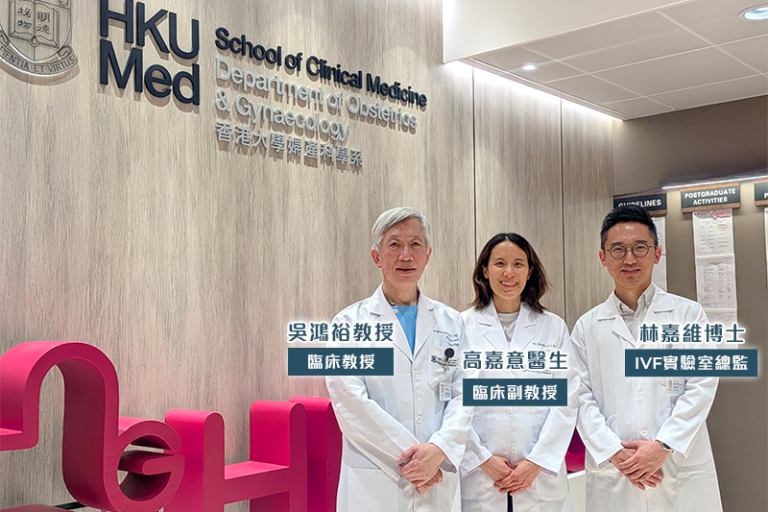
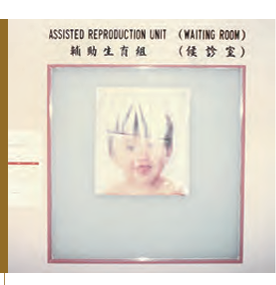
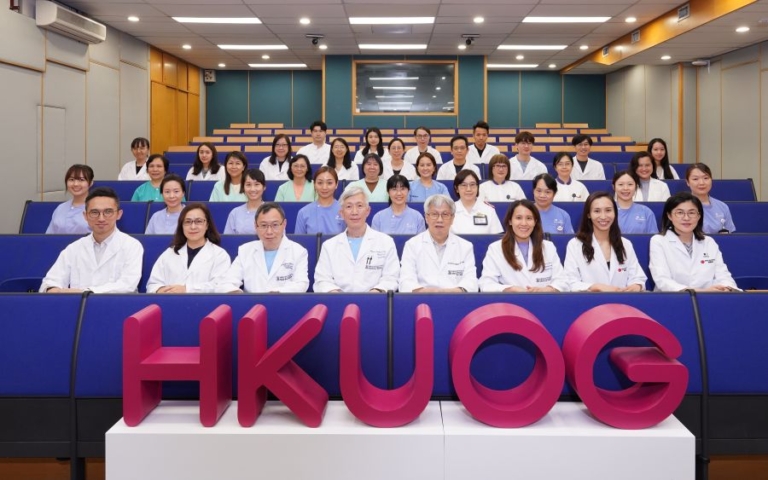
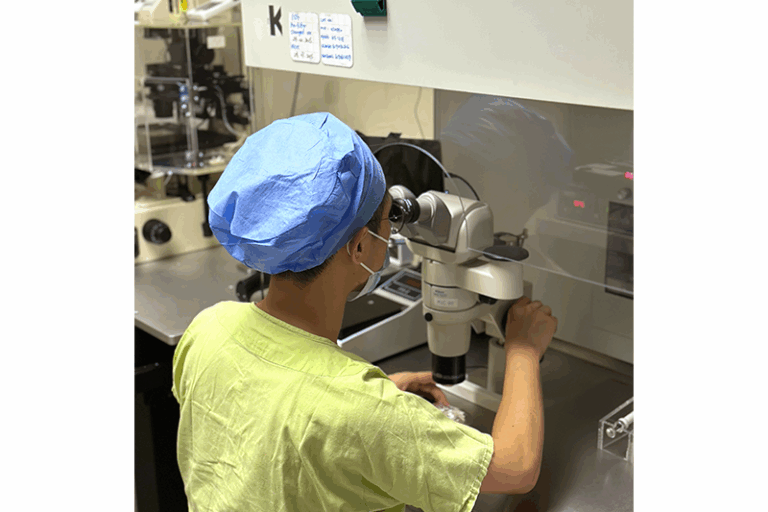
▲ Today, the Centre’s multidisciplinary team comprises over 40 professionals
Meanwhile, the overall treatment process has become more streamlined and patient-centred, providing greater convenience for patients.
“In the past, patients undergoing treatment often had to return to the hospital almost every day throughout the treatment cycle for injections, frequent blood tests, and ultrasound monitoring. Following process optimization, the stimulation cycle now takes approximately 11 to 12 days, during which patients only need to visit the hospital for around three follow-up appointments, significantly reducing the inconvenience caused by frequent travel.
In addition, following the COVID-19 pandemic, patients have become more receptive to virtual healthcare solutions. As a result, the hospital has gradually expanded the use of telemedicine services, including online seminars and virtual consultations.”
Advancing Pregnancy Outcomes Through Optimized Ovulation Protocols and Enhanced Patient Comfort.
Since 2016, the Centre has adopted a single embryo transfer strategy. Today, the Centre’s multiple pregnancy rate has been successfully reduced to just 1%–2%, comparable to that of natural conception. This approach not only enhances maternal safety but also provides embryos with a more favourable environment for development within the uterus.
The team noted that while the live birth rate associated with transferring two embryos is not significantly different from the cumulative live birth rate achieved through single embryo transfer, the full-term live birth rate (defined as delivery after 37 weeks of pregnancy) is actually higher with single embryo transfer.
In terms of treatment outcomes, the Centre’s pregnancy rate has increased significantly from 8%–10% in the 1990s to 30%–40% per treatment cycle today, with the cumulative live birth rate reaching approximately 70% at its highest.
In terms of ovarian stimulation protocols, the Centre has transitioned from the traditional long agonist protocol to the antagonist protocol, reducing the number of hospital visits required. At the same time, 80%–90% of patients are now able to administer subcutaneous injections themselves, eliminating the need for daily visits to the hospital for injections and greatly enhancing patient autonomy.
The team revealed that they are currently exploring oral antagonist medications, with the aim of further streamlining the treatment process. This advancement will not only improve convenience for patients but also help alleviate the significant physical and emotional burden they experience throughout their assisted reproductive journey.

 健康網購